
Blog
Drain Seal Versus Cover: Choose Site Protection
Sep
A leaking drum beside a grated stormwater drain can become an environmental incident before the spill kit reaches the scene. The drain seal versus cover decision determines whether you can stop liquid at the drain opening, protect it from rain and traffic, or do both. Select the wrong option and contaminated runoff may leave your site, trigger clean-up costs and disrupt operations.
For workshops, depots, construction compounds and government facilities, drain protection is not a cosmetic add-on. It is a first-response control. Equip the relevant work area with the right drain barrier now, then support it with absorbents and a clear spill response process.
Drain seal versus cover: the operational difference
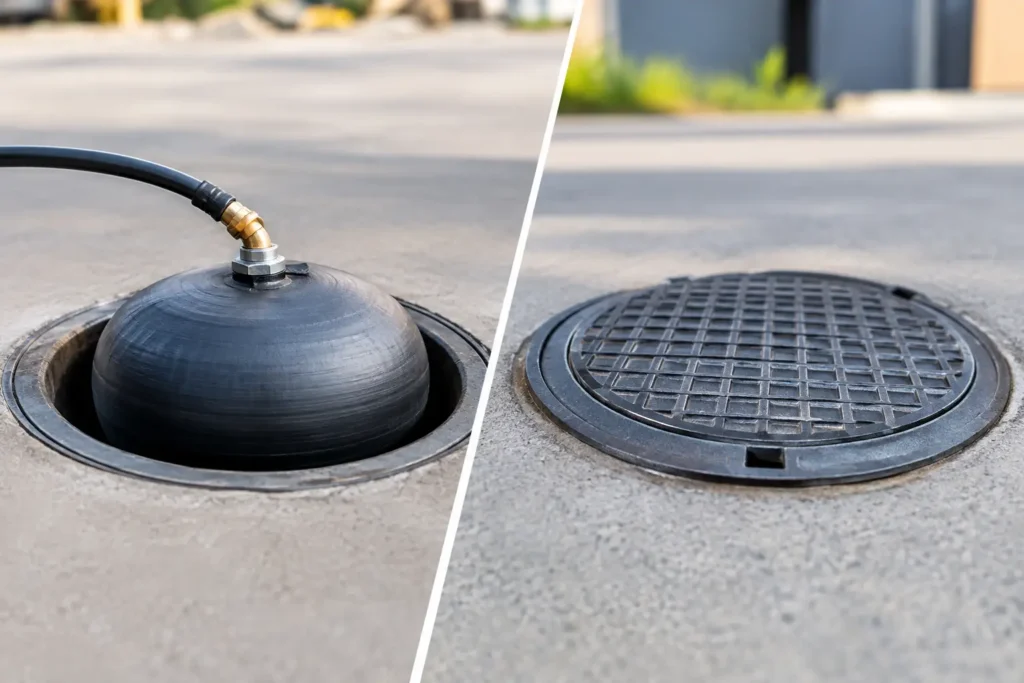
A drain seal is designed to create a temporary, liquid-tight barrier directly over a drain. Most are made from flexible polyurethane or similar tacky, non-absorbent materials that conform to rough concrete, pavers and metal grates. When placed correctly, the seal blocks liquid from entering the drain while your crew contains and recovers the spill.
A drain cover is a broader term. It may describe a rigid, trafficable or weather-resistant cover installed over or around a drain to reduce exposure to rainwater, debris or routine site activity. Some covers also offer spill control, but not every drain cover forms the same tight seal as a flexible emergency drain seal.
The practical distinction is simple: use a drain seal for immediate spill response and short-term isolation. Use a drain cover where you need ongoing physical protection, rain management or resistance to vehicle and foot traffic. Sites with frequent chemical transfer, washdown or fuel handling commonly need both.
Choose by the hazard, not just the drain size
Start with the liquid that could reach the drain. Diesel, hydraulic oil, coolant, acids, alkalis, paints and wash water demand different controls once they are on the ground. A drain seal stops entry, but it does not absorb or neutralise the product. Your team still needs compatible response equipment to recover the spill safely.
For hydrocarbons, position a drain seal first and deploy hydrophobic polypropylene absorbents around the spill. These repel water while taking up oil and fuel, making them a practical choice for outdoor areas and wet-weather incidents. For unknown liquids or mixed workshop fluids, general-purpose absorbents are often the safer initial choice. Where corrosives are handled, use chemical-grade absorbents and PPE suited to the substance and your site procedures.
Do not rely on absorbent socks alone to protect a drain. Socks can redirect and slow a flow, but pooled liquid can pass underneath or overwhelm them. A seal creates the primary barrier; socks and pads control the spread and recover liquid on the surface.
Measure the actual protection zone
Measure the full grate, pit opening or drain surround, not just the clear opening beneath the grate. A seal must extend beyond all edges so it can sit on clean, reasonably flat ground. If the drain is 450 mm square, a 600 mm or larger seal gives a useful overlap. If the surrounding concrete is cracked, uneven or heavily profiled, allow more coverage or consider a larger, more conformable option.
Keep drain seals stored flat, clean and accessible. A seal folded under heavy stock or coated in dust may not sit flush when seconds matter. Place them in spill stations near loading bays, wash areas, chemical stores, refuelling points and waste handling zones – not locked in a storeroom at the other end of the facility.
When a drain seal is the right call
Select an emergency drain seal when the key requirement is fast isolation. It is the right control for a burst hose, overturned container, leaking 205L drum or vehicle fluid spill moving towards a stormwater inlet. The crew member responding should be able to carry it to the drain, place it over the opening and begin containment immediately.
Drain seals are particularly valuable where drains are normally open to rain. In these locations, a permanent solid cover may create drainage problems during storms, while a stored seal gives you an immediate contingency control. They are reusable if cleaned correctly and undamaged, but replacement should be the default after exposure to hazardous chemicals where safe decontamination cannot be confirmed.
A seal also suits irregular grates and concrete surfaces better than a rigid lid. Its weight and flexible material help it conform to the substrate. However, it is not designed as a driving surface or long-term traffic management device. Barricade the area after deployment and keep forklifts, utes and pedestrian traffic away.
When a drain cover is the better investment
Choose a drain cover when the hazard is routine exposure rather than an active spill. Covers can help prevent leaves, rubbish and loose materials entering drains, reduce rain ingress in selected areas and protect vulnerable openings from everyday site movement. They are useful around wash bays, loading areas, external storage zones and maintenance facilities where the drain needs a managed physical barrier.
Before ordering, confirm whether the cover must support pedestrian traffic, forklifts or heavier vehicles. A lightweight cover can shift, crack or become a trip hazard under the wrong load. Trafficable requirements need a purpose-built solution and clear site controls. Never assume a flexible emergency seal is rated for vehicle traffic just because it appears thick or heavy.
Permanent or semi-permanent covers can also affect stormwater flow. That may be intentional in a contained process area, but it can create ponding elsewhere if the drainage design is not considered. Check your stormwater management plan and site procedures before closing drains for extended periods.
Use a layered response at high-risk points
The most reliable spill control does not depend on one product. At high-risk locations, pair drain protection with nearby response equipment and secondary containment. A chemical decanting point, for example, should have a correctly sized drain seal, compatible absorbents, disposal bags, PPE and a containment solution that captures leaks before they spread.
For drum storage and dispensing, use spill bunds sized for the containers and expected handling activity. Bunding reduces the chance that a slow leak ever reaches the drain. At vehicle depots and mobile work crews, keep heavy-duty spill kits close to the task – a compact vehicle bag behind the driver’s seat for small incidents, and a larger 120L or 240L unit for workshop or yard response.
This layered approach protects response time. The drain seal buys containment time, absorbents recover the liquid, and bunding reduces recurrence. It also gives procurement teams a clearer replenishment plan rather than scrambling for individual items after an incident.
Quick selection guide for buyers
Use the site condition to make the purchasing decision quickly:
| Site condition | Best first choice | Why it works |
|---|---|---|
| Active spill heading to a grated drain | Flexible drain seal | Forms a rapid temporary barrier over the opening |
| Outdoor drain exposed to fuel or oil transfer | Drain seal plus oil and fuel absorbents | Stops drain entry and captures hydrocarbons on the surface |
| Drain in a routine traffic or debris area | Suitable drain cover | Provides ongoing physical protection where a seal is not practical |
| Chemical handling area with nearby stormwater | Chemical-compatible seal, absorbents and bunding | Controls migration and supports safe recovery |
| Uneven concrete or oversized pit | Larger flexible seal or purpose-designed cover | Gives adequate overlap and better surface contact |
Treat this as a purchasing starting point, not a substitute for reviewing your site-specific hazards. If a drain connects to trade waste, sewer or stormwater, your response and notification requirements may differ. Ensure your emergency plan identifies the drainage network, isolation points, spill equipment locations and escalation contacts.
Keep equipment ready for inspection and deployment
A drain seal that cannot be found, is undersized or is buried under depleted absorbent stock will not protect the site. Include drain protection in monthly spill kit inspections. Check that seals are clean and flat, labels are legible, nearby pads and socks are suitable for the liquids handled, and disposal bags and PPE have not been used without replacement.
For multi-site businesses, standardise common drain seal sizes and spill response components where practical. This simplifies training, replenishment and purchase orders. Procurement teams can maintain faster approvals when items are clearly specified, itemised with GST and matched to a known site requirement. Spillkits.com.au supports PO purchasing, itemised GST documentation and rapid nationwide dispatch to keep operational controls in place without unnecessary delays.
Do not wait for rain, a delivery incident or a failed hose to expose a gap in your spill controls. Measure each vulnerable drain, assign the right seal or cover, and stage compatible absorbents where your crews can reach them immediately. That small preparation can keep a manageable spill on your hardstand instead of in the waterway.