Blog
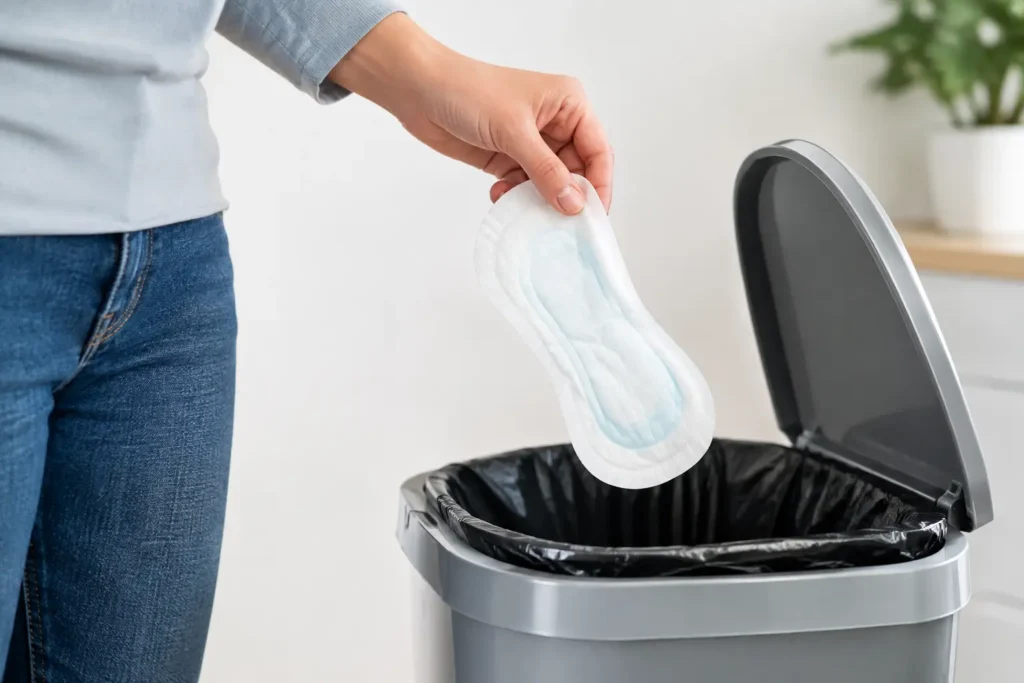
How to Dispose Used Absorbent Pads Safely
Sep
A used absorbent pad is not automatically general rubbish. How to dispose used absorbent pads depends on what the pad absorbed, where the spill occurred and the waste rules that apply to your site. Get this wrong and a routine clean-up can become a drain contamination event, a fire risk or a costly waste compliance issue.
For workshops, depots, civil crews and fleet operators, the practical rule is simple: identify the contaminant before the pad goes into a bin. Then contain it, label it and send it through the correct waste stream. Build that process into every spill response and your crew can clean up fast without transferring the problem to the waste area.
Start with what the pad absorbed
Used pads take on the classification of the material they have absorbed. A polypropylene pad used on diesel is handled differently from one used on a corrosive acid, solvent, coolant or unknown chemical. The pad may look the same after use, but its disposal pathway is not.
Check the product label, container label and Safety Data Sheet for the spilled material. Your site’s waste contractor can then confirm the correct collection and transport requirements for your state or territory. Do not rely on colour alone, and do not assume a small amount of contamination makes a pad safe for landfill.
As a working guide, separate used pads into three streams:
- Oil and fuel contaminated pads may require collection as controlled or hazardous waste, particularly where free liquid remains, the quantity is significant or the material is mixed with other chemicals.
- Chemical contaminated pads should be managed as hazardous waste unless the Safety Data Sheet and your approved waste provider confirm another pathway. Acids, alkalis, solvents, pesticides and unknown liquids demand this approach.
- General-purpose pads used on non-hazardous liquids may sometimes be accepted in general industrial waste, but only after confirmation with the receiving facility or contractor.
Never place chemical-soaked pads into a bin with oil-only absorbents. Mixing incompatible wastes can create fumes, heat, fire or a more expensive disposal classification.
How to dispose used absorbent pads on site
Move quickly, but do not rush the waste decision. Once the immediate spill is under control, use this process to keep the pad contained from floor to collection point.
- Stop the source and protect drains. Shut valves, upright damaged containers or isolate equipment where safe to do so. Place drain covers or absorbent socks before liquid reaches pits, grates or stormwater channels.
- Wear the right PPE. Gloves, eye protection and other PPE must suit the spilled substance, not just the absorbent. Chemical splashes can remain active in a saturated pad.
- Recover pads without squeezing them. Use a scoop, tongs or suitable hand tools where exposure is possible. Do not compress pads to force liquid out, and never wash them down a drain.
- Place pads in a compatible sealed container. Use a lidded drum, approved waste bag within a rigid overpack, or another container accepted by your waste contractor. The container must be compatible with the contaminant and capable of preventing leaks.
- Label and segregate the waste. Record the contaminant, date, site area and relevant hazard information. Store the container away from drains, ignition sources and incompatible chemicals until collection.
A pad that is still dripping needs further containment before it enters the waste container. Add clean absorbent material to capture free liquid, or use a larger sealed overpack. Keep the exterior clean so staff can handle it safely and the label remains readable.
Do not send pads to landfill by default
The fastest bin is rarely the safest or cheapest option. Used absorbents can release oil, solvents or chemicals during transport and compaction. Once that contamination reaches a landfill, transfer station or rubbish truck, your business may face rejected loads, cleanup charges and further investigation.
Do not burn used pads, leave them in open skip bins or dispose of them in clinical waste bins unless that stream has been specifically approved. Do not put them in recycling, even if the pad itself began as recyclable polypropylene. Contamination changes the material’s end-of-life route.
Oil-contaminated pads also need careful handling around ignition sources. Some absorbents used with fuels or flammable solvents can retain vapours. Keep waste lids closed and separate the container from hot work, battery charging areas, welding bays and flammable-liquid storage.
Match the disposal container to the spill risk
A disposal system only works when it is close to the spill point. If staff must walk across a warehouse to find a bag or drum, pads are more likely to end up in the wrong bin. Position marked waste containers near maintenance bays, wash-down zones, fuel storage, loading docks and chemical decanting areas.
For a mobile response, a vehicle spill kit should include disposable bags, ties and labels for initial containment. For workshop and depot spills, keep lidded drums or compatible overpacks in the spill response area. Larger sites should pair their absorbent stations with secondary containment so leaking waste containers cannot reach drains.
This is where purchasing the right response equipment protects the whole workflow. Keep oil-only pads for hydrocarbons, chemical pads for aggressive liquids and general-purpose pads for mixed non-hazardous maintenance spills. Dedicated stock prevents cross-contamination and gives crews a clear decision under pressure.
Store collected absorbents as controlled waste
Treat your used-pad holding area as part of the spill response plan, not an afterthought behind the shed. The area should be covered where practical, secure from unauthorised access and inspected regularly for leaking containers. Secondary containment is particularly valuable where drums or bags are held before scheduled pickup.
Your storage controls should account for the amount of waste generated. A small workshop might fill a sealed drum over several weeks. A transport depot, manufacturing line or government maintenance facility may need multiple labelled containers and a more frequent collection schedule. Do not let waste build up simply because the original spill was small.
Keep a simple register showing what was collected, the source material, volume or container count, storage date and contractor collection details. This makes handovers easier for shift supervisors and gives procurement, environmental and OHS teams a clear record of site controls.
Build disposal into your spill kit replenishment
A spill kit is only operationally ready when it can handle the aftermath as well as the initial spill. After each use, replace the pads, socks, PPE, disposal bags and labels immediately. An incomplete kit leaves the next crew short of critical containment gear and increases the chance that used pads will be handled poorly.
Review each incident before ordering refills. If diesel pads are repeatedly being used around plant servicing, increase oil-only absorbent stock and add a nearby waste drum. If crews are using general-purpose pads on chemical leaks because that is all they can find, correct the kit selection before the next incident. Chemical response requires compatible absorbents and clear segregation from the first minute.
For fleet operators, keep compact vehicle kits behind the driver’s seat or in the ute tray, then establish a depot return point for used materials. Drivers should know they can seal and transport used pads back to an approved site only when the waste is contained safely and your procedure permits it. Never leave saturated pads loose in a vehicle cabin, toolbox or open tray.
Give crews a clear decision for unknown spills
Unknown liquid is the scenario that exposes weak disposal procedures. If the source cannot be identified, treat used pads as potentially hazardous. Isolate the area, avoid mixing the material with other waste, and obtain advice from your site safety lead or waste contractor before disposal.
Do not test an unknown substance by smell, touch or improvised mixing. Check nearby containers, maintenance records, delivery documentation and CCTV only if it can be done without delaying containment. Where there is a serious chemical release, strong fumes, fire risk or risk to waterways, escalate under your emergency plan and contact relevant emergency services or environmental authorities as required.
Keep procurement ready before the next spill
Waste handling becomes straightforward when the right pads, disposal supplies and containment are already on site. Standardise kit locations, label waste containers and nominate a responsible person for refill checks. That gives frontline crews a fast response while giving procurement teams predictable stock levels and fewer urgent orders.
Spillkits.com.au supports commercial and government purchasing with rapid nationwide dispatch, purchase order acceptance and itemised GST for products and freight. Order absorbent refills and containment equipment before stock runs low, not after a spill exposes the gap.
The best disposal outcome starts before the pad touches the floor: equip the spill point, separate waste streams and make the correct bin the easiest bin for every crew member.